


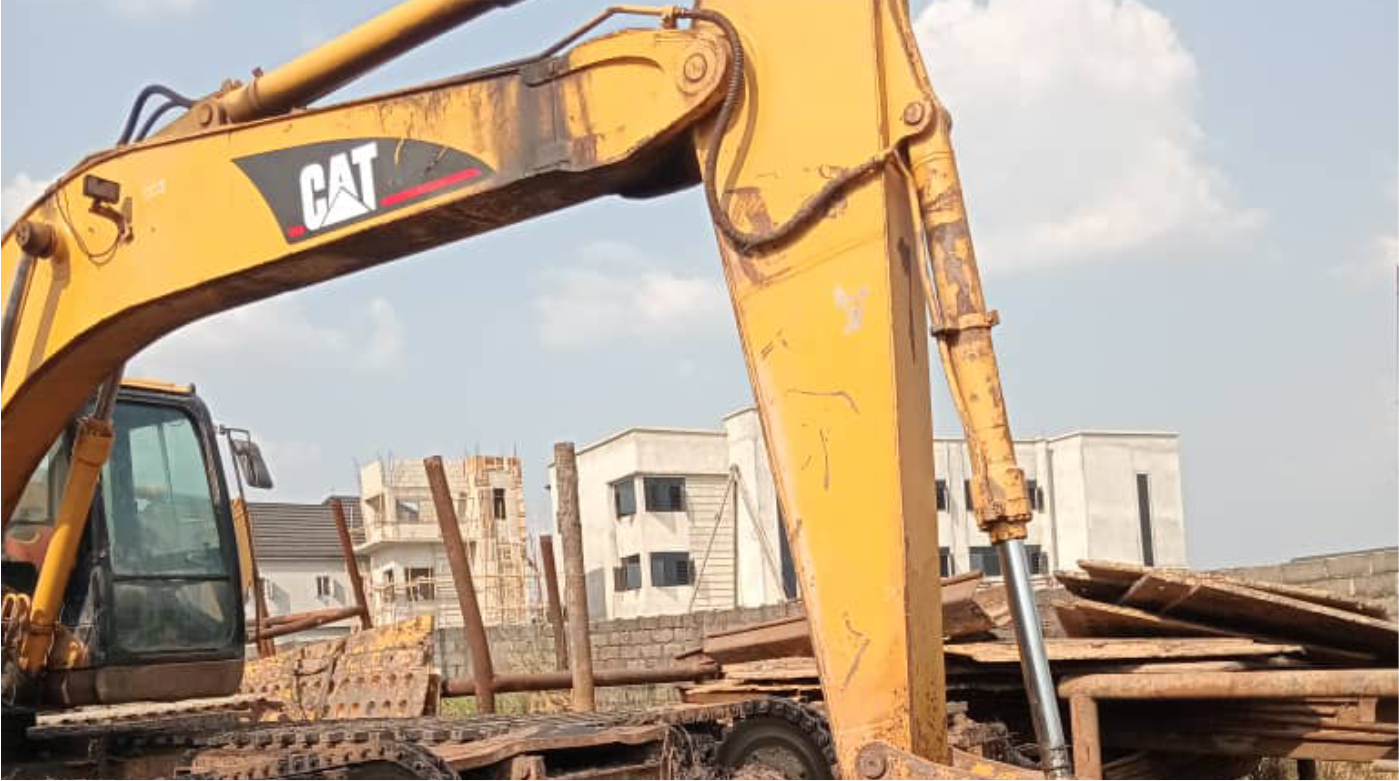
In oil and gas projects, success depends heavily on the availability of reliable equipment. From lifting machinery to pipeline maintenance tools, every project requires specialised assets that not only deliver performance but also minimise downtime.
Yet, a common dilemma many project managers face is whether to lease or buy equipment. Each option comes with benefits and trade-offs, and the choice often depends on the nature, duration, and budget of the project.
𝐓𝐡𝐞 𝐂𝐨𝐬𝐭 𝐅𝐚𝐜𝐭𝐨𝐫
Purchasing equipment can seem attractive because it creates long-term ownership. However, ownership often comes with hidden costs:
- High upfront capital investment.
- Continuous maintenance and servicing.
- Storage and idle-time costs for equipment not in frequent use.
- Depreciation that reduces asset value over time.
For many organisations, these costs weigh heavily on project budgets, tying up funds that could have been channelled into operations, technology, or expansion.
𝐖𝐡𝐲 𝐋𝐞𝐚𝐬𝐢𝐧𝐠 𝐢𝐬 𝐚 𝐆𝐫𝐨𝐰𝐢𝐧𝐠 𝐏𝐫𝐞𝐟𝐞𝐫𝐞𝐧𝐜𝐞
Leasing has become a strategic alternative, particularly for projects with changing demands. Instead of locking capital into ownership, companies can:
- Access equipment on demand, matching project timelines.
- Spread costs in predictable instalments.
- Reduce the burden of long-term maintenance and repairs.
- Upgrade to newer, more efficient equipment as technology advances.
This flexibility allows organisations to remain agile in a competitive industry while avoiding the risks of equipment redundancy.
𝐁𝐚𝐥𝐚𝐧𝐜𝐢𝐧𝐠 𝐑𝐞𝐥𝐢𝐚𝐛𝐢𝐥𝐢𝐭𝐲 𝐚𝐧𝐝 𝐀𝐯𝐚𝐢𝐥𝐚𝐛𝐢𝐥𝐢𝐭𝐲
A natural question arises: Can leased equipment be as reliable as owned assets?
The answer lies in choosing the right leasing partner. Reliability depends on how well equipment is maintained, tested, and supported. When equipment is backed by robust inspection routines and technical support, leasing can actually reduce downtime compared to owning it.


𝐀 𝐒𝐦𝐚𝐫𝐭𝐞𝐫 𝐀𝐩𝐩𝐫𝐨𝐚𝐜𝐡
The lease-versus-buy decision is not one-size-fits-all. Long-term, frequently used assets may justify ownership, while specialised or short-term equipment needs are often best met through leasing. Many oil and gas companies now adopt a hybrid approach, purchasing core assets but leasing specialised or high-cost equipment to manage risk and costs.
𝐅𝐢𝐧𝐚𝐥 𝐓𝐡𝐨𝐮𝐠𝐡𝐭
In the end, the smartest approach is one that balances cost efficiency, reliability, and project flexibility. Leasing is not just a financial decision; it’s a strategic tool to keep operations lean, responsive, and resilient.
And when leasing becomes the chosen path, the key is partnering with providers who ensure equipment is well-maintained, safety-compliant, and readily available, qualities that make all the difference in high-stakes oil and gas operations. Companies like Oceanklass, with their focus on quality assurance and dependable service, represent exactly that kind of partner.